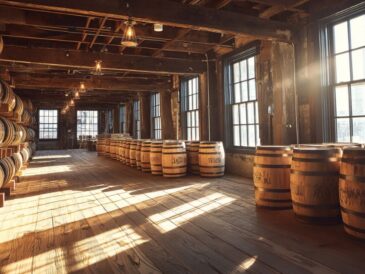
For most cigar lovers, the words “cigar capital of the world” spark images of Havana, Santiago, or the Dominican Republic. But from the late 1800s to the early 1900s, the true powerhouse wasn’t an island at all.
It was a small neighbourhood in Tampa, Florida, known as Ybor City — a place built almost entirely on tobacco, craftsmanship, and the dreams of immigrants.
How a Patch of Swamp Became a Cigar Empire
In the 1880s, Vicente Martínez-Ybor, a Cuban entrepreneur, was looking for a new home for his cigar factory.
Cuba was unstable, Key West was crowded, and he wanted a place where his workers could build real lives. Against all odds, he chose a humid stretch of Florida scrubland and declared it the perfect spot.
He wasn’t wrong.
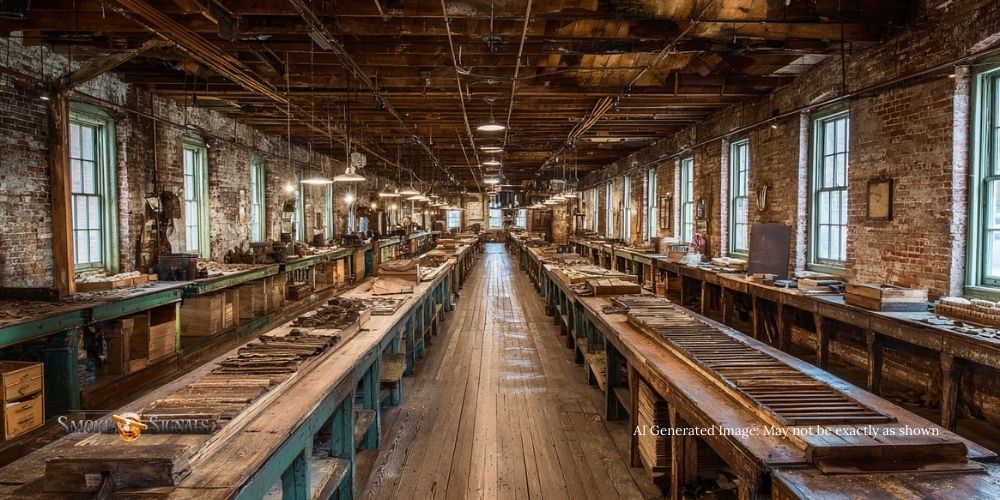
Within a decade, factories lined the streets, the scent of cured tobacco drifted through open windows, and thousands of Cuban, Spanish, and Italian immigrants arrived to build a better future. Ybor City quickly became a thriving community where craftsmanship wasn’t just valued — it defined the culture.
Inside the Factories: The Sound of a City at Work
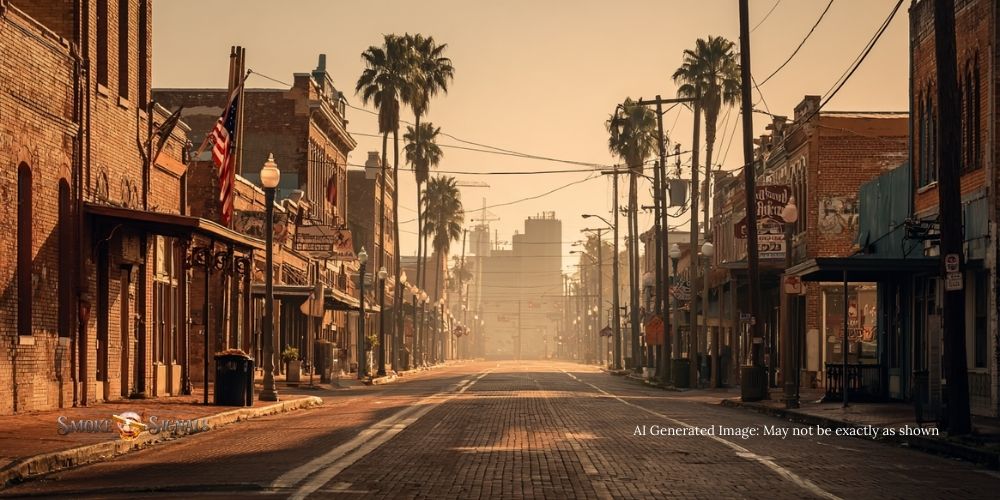
Walk into a Ybor City factory in 1900, and you’d see long rows of torcedores working with a rhythm that sounded almost musical. Every cigar was rolled by hand — no machines, no shortcuts.
One of the most fascinating traditions was the lector.
Perched on a raised platform, the lector read newspapers, literature, and political commentary aloud while workers shaped each cigar. It was entertainment, education, and community all at once — the original podcast before podcasts.
By its peak, Ybor City was producing over 500 million cigars per year. Half a billion.
All by hand.
Why the Boom Didn’t Last
Like all golden ages, Ybor City’s eventually faded.
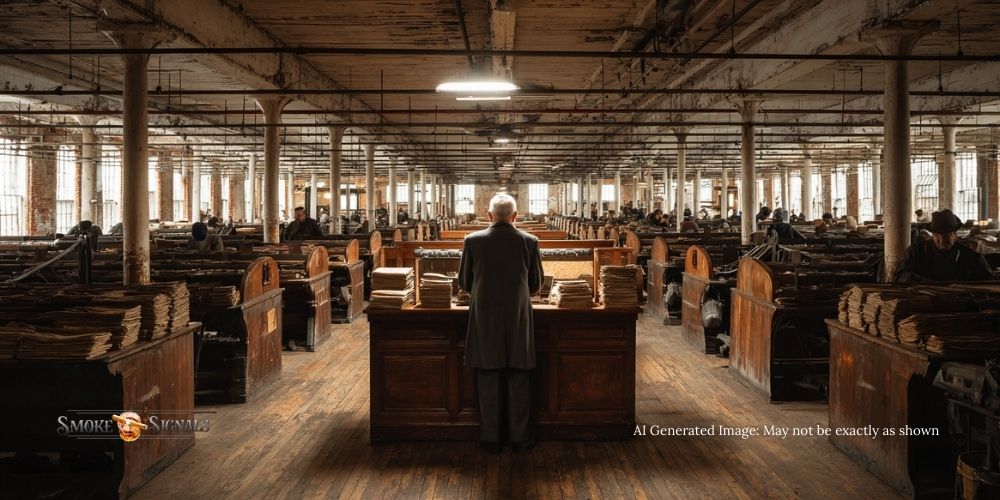
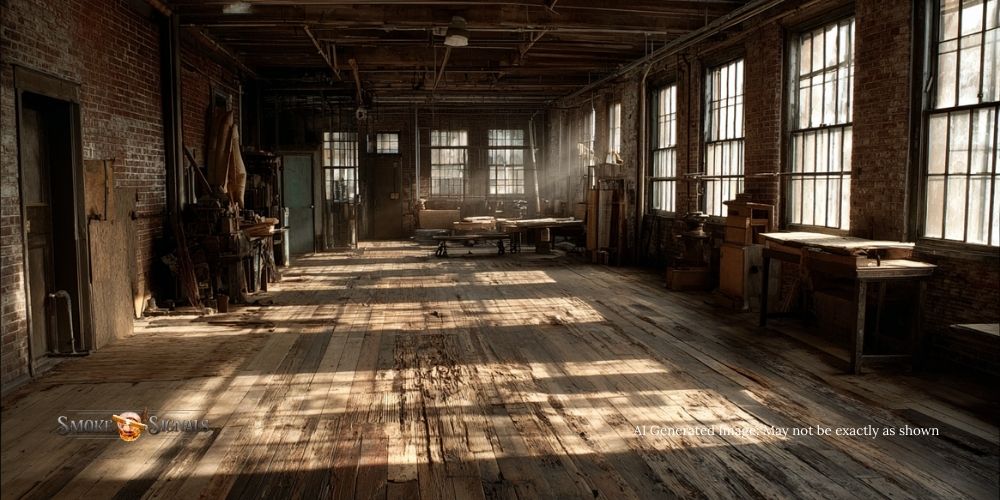
Machine-rolled cigars gained popularity, Cuban tobacco became harder to source, and immigration patterns shifted. By the 1950s, many of the factories stood silent, their windows dusty and their floors empty.
The neighbourhood went from a roaring industrial center to a quiet relic of what once was.

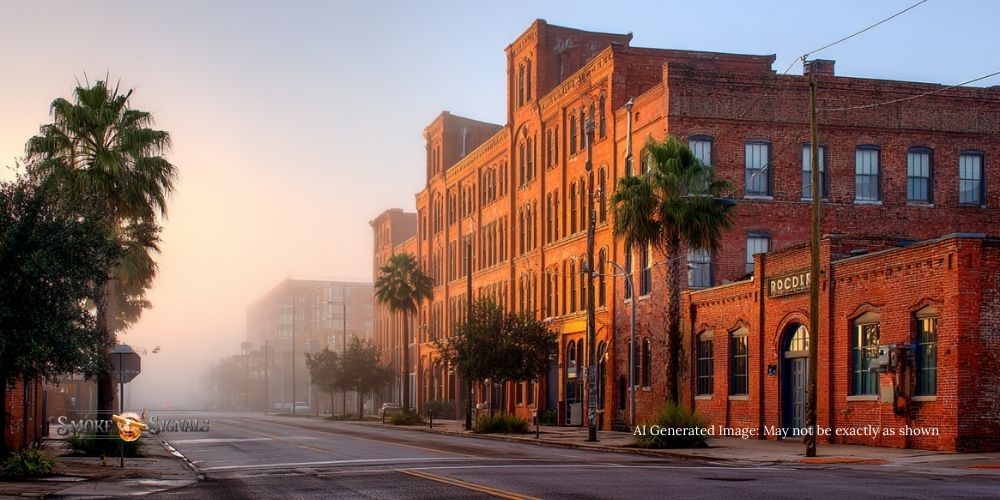
Ybor City Today: A Living Museum of Cigar Culture
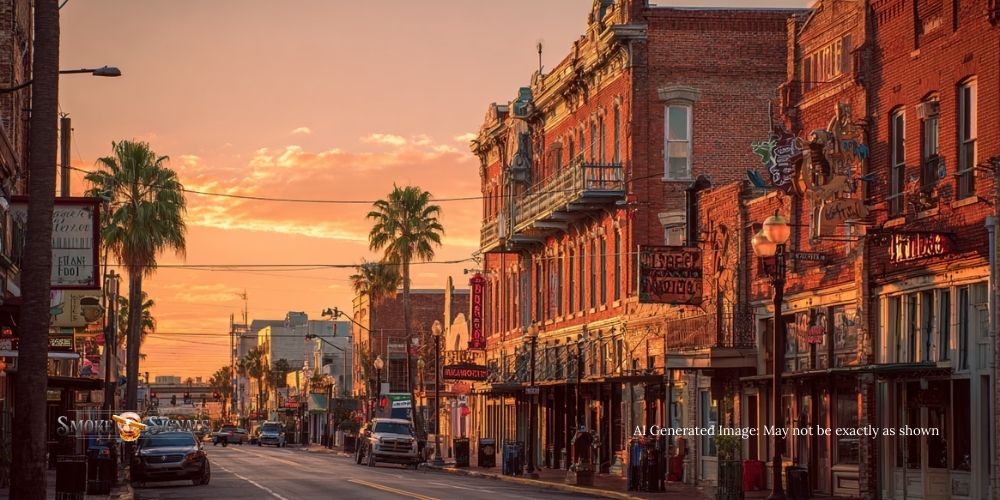
Although the factories no longer operate at full tilt, Ybor City hasn’t forgotten its roots. Many historic buildings have been preserved, and the streets still carry the atmosphere of the old cigar boom years. You’ll find brick architecture, Cuban cafés, and shops that still honour the old traditions.
It’s a living museum — one where you can feel the past in every corner.
Why This Story Matters
Ybor City isn’t just a chapter in cigar history.
It’s a reminder that the industry was shaped by immigrants, craftsmanship, and communities built around tobacco. Understanding its rise and fall helps us appreciate the cigars we enjoy today and the people who built the culture behind them.
If you’ve ever visited Ybor City or another historic cigar destination, share your experience — we’d love to hear your story.
Frequently Asked Questions
Ybor City’s story raises many great questions. Here are a few quick answers for cigar history fans.
What made Ybor City the cigar capital of the world?
Ybor City became the cigar capital thanks to its mix of skilled Cuban, Spanish, and Italian rollers, access to imported tobacco, and a dense cluster of factories. At its peak, it produced hundreds of millions of hand-rolled cigars each year, making Tampa a global cigar hub.
Who was Vicente Martínez-Ybor, and why is he important?
Vicente Martínez-Ybor was a Cuban cigar manufacturer who relocated his operations from Cuba and Key West to Tampa in the 1880s. By founding Ybor City, he created a purpose-built cigar town where workers could live, work, and raise families close to the factories.
What was a “lector” in cigar factories?
A lector was a professional reader who sat on an elevated platform and read newspapers, political commentary, and novels aloud to cigar rollers. This tradition kept workers informed, entertained, and politically engaged, and became a unique part of Ybor City’s cigar culture.
Why did Ybor City’s cigar industry decline?
Ybor City’s cigar boom faded as machine-made cigars became cheaper and more common, Cuban tobacco supplies shifted, and immigration patterns changed. By the mid-20th century, many factories had closed or been repurposed, ending the era of large-scale hand-rolled production.
Can you still experience cigar culture in Ybor City today?
Yes. Visitors can still see historic brick factories, visit cigar shops, tour museums, and enjoy Cuban cafés and social clubs. While the industrial era is over, Ybor City remains a living showcase of cigar history and immigrant culture in Tampa.

Bo Kauffmann is the voice behind Cigar and Whiskey Guide and Smoke Signals on Substack, where he shares expert reviews, pairings, and lifestyle insights for enthusiasts around the world. A longtime cigar lover and bourbon explorer, Bo blends storytelling with deep knowledge to help readers savor every pour and every puff.