Listen While You Read
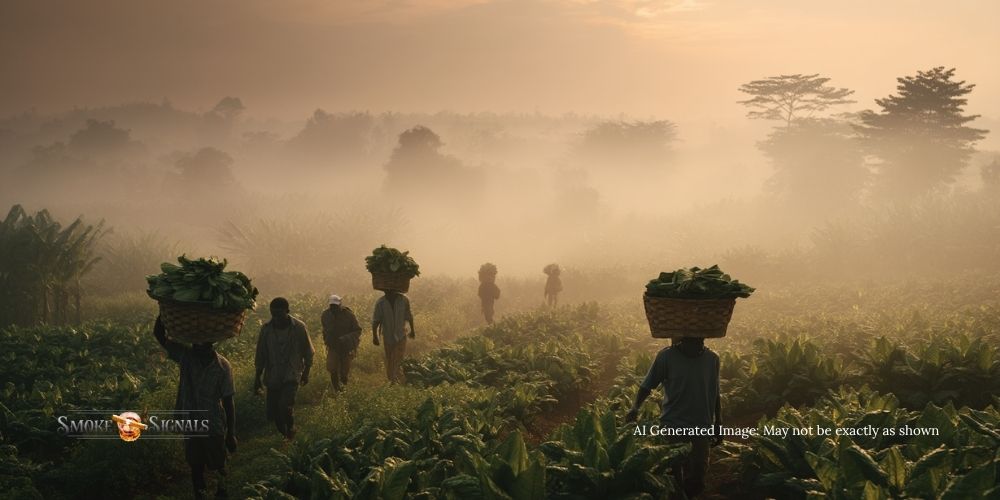
The morning air in Central Africa hangs heavy with humidity and the faint sweetness of curing tobacco.
In a small clearing bordered by dense jungle, workers gently unhook rows of delicate leaves — each one paper-thin, veined like gold. This is the birthplace of the Cameroon cigar wrapper — a leaf so fragile it can tear from a careless touch, yet so flavorful that it changed the world of premium cigars.
Few could have predicted that this region, once an afterthought in the tobacco trade, would become the source of one of the most coveted wrappers in cigar history. And fewer still could have imagined the devotion of two families — Meerapfel and Fuente — who would risk everything to keep it alive.
🗝️ The Story in one Draw
The Cameroon cigar wrapper is a rare African-grown tobacco leaf prized for its thin, toothy texture and rich, spicy-sweet flavor. Originating from Sumatran seed, it became world-famous through brands like Arturo Fuente, and the Meerapfel family has preserved its fragile legacy despite decades of political turmoil and near extinction.
Key Takeaways
-
🌍 Born from a Sumatran seed and cultivated in Cameroon’s humid equatorial soil, this wrapper is one of the most unique in the cigar world.
-
🪶 Known for its distinct toothy texture and flavors of cedar, cinnamon, and nuts.
-
🔥 The Meerapfel family and Arturo Fuente played vital roles in rescuing and preserving its production.
-
💎 A valid symbol of craftsmanship and resilience — the Cameroon cigar wrapper remains both rare and revered.
Origins of the Golden Leaf: From Sumatran Seed to African Soil
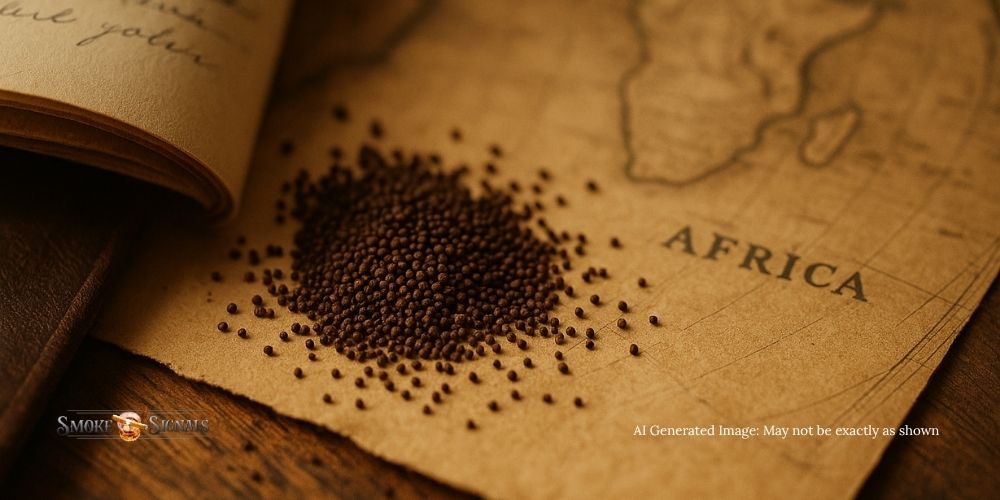
The story of the Cameroon cigar wrapper begins half a world away, in the humid plains of Sumatra, where the original seed was first cultivated for its silky, aromatic leaves. In the early 1900s, European traders carried those seeds westward — first to Indonesia, then to Africa — in search of climates that could reproduce Sumatra’s delicate balance of sun, shade, and soil.
By the 1950s, French colonial interests saw promise in Cameroon’s volcanic soil. The state-owned tobacco company SEITA launched experimental fields near Yaoundé, led by agronomist Jean Masseron, who recognized the region’s unique advantage: a thin veil of natural cloud cover that softened the equatorial sun. No need for the tents and cheesecloth used in Connecticut or Ecuador — Cameroon’s sky was its own shade cloth.
The first harvests were unpredictable. The leaves were fragile, prone to tearing, and challenging to cure. But when rolled, the results were extraordinary — a wrapper that burned evenly, released a gentle spice, and left a lingering sweetness on the palate. Cigar makers in Europe took notice. Soon, early brands like H. Upmann and Dunhill began wrapping their premium lines in this exotic new leaf from Africa, and a quiet revolution was underway.
What Makes the Cameroon Cigar Wrapper Unique
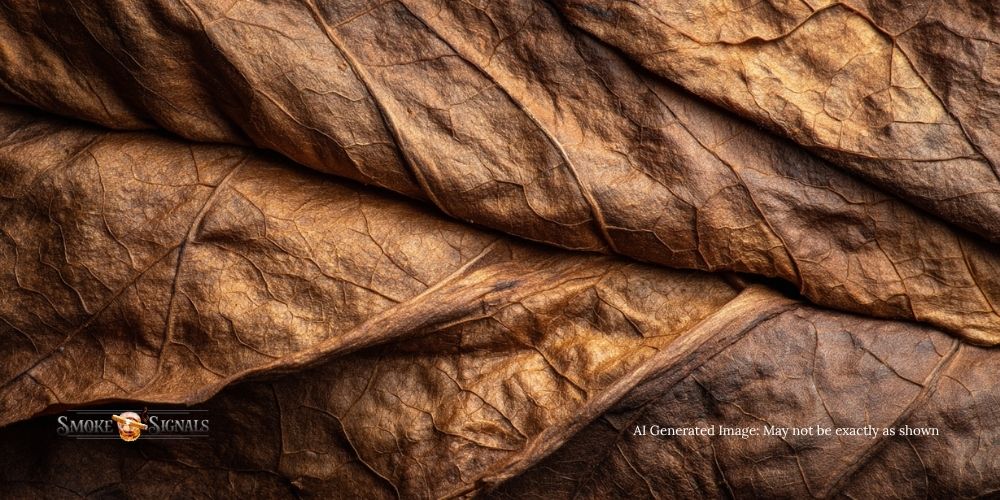
At first glance, the Cameroon cigar wrapper looks unassuming — a soft brown leaf, lighter than Maduro and less glossy than Habano. But hold it to the light, and you’ll see its secret: a surface dotted with tiny, raised oil pockets known as “teeth.” These natural specks give the wrapper its distinctive texture — and its unmistakable flavor.
Texture and Appearance
The leaf’s “toothy” surface isn’t a flaw; it’s a badge of authenticity. Each small bump is a concentrated pocket of natural oil that develops during curing, lending the wrapper its signature depth. Unlike the broad, resilient leaves of Nicaragua or Connecticut, Cameroon’s tobacco grows smaller, thinner, and more delicate — often tearing under the slightest tension.
This fragility makes it notoriously tricky to work with. Only the most skilled rollers can handle it without splitting or cracking the wrapper, especially on larger vitolas. Yet that same delicacy produces a burn that’s slow, cool, and remarkably consistent — one reason master blenders return to Cameroon despite its challenges.
Flavor Profile and Smoking Experience
Light up a cigar wrapped in genuine Cameroon leaf, and you’ll taste why it earned its fame. The flavor opens with cedar and sweet spice, followed by notes of cinnamon, toasted nuts, and a touch of creaminess. There’s a gentle sweetness throughout — never sharp, never bitter — that pairs beautifully with medium-bodied cigars and balanced whiskeys.
It’s a profile that can’t be duplicated elsewhere. Attempts to grow Cameroon seed in Ecuador or Central America have produced good tobacco, but not this. The African soil, the humidity, the unpredictable sunlight — together they create something no other terroir can replicate.
For a deeper dive into how this unique climate shaped the leaf’s identity, see the Cigar Aficionado feature on the Cameroon wrapper’s history.
From Africa to Aficionados: The Rise in Premium Cigars
By the late 1970s, word had spread quietly but steadily through cigar circles: something remarkable was emerging from Cameroon. The wrapper’s sweet spice and cedar aroma gave even mild cigars a warmth and complexity that other leaves couldn’t match. European makers like H. Upmann and Dunhill had already embraced it, but it was the American market that turned it into legend.
When the Meerapfel family, long-time tobacco merchants with roots in Belgium and the Dominican Republic, began cultivating and exporting Cameroon wrapper leaf, they transformed it from an exotic novelty into a steady, if still precarious, supply line for major manufacturers. Their reputation for quality and consistency made them the guardians of a very fragile treasure.
Then came Arturo Fuente — the brand that would make the Cameroon wrapper world-famous. In the early 1980s, Carlos Fuente Sr. fell in love with its flavor and insisted on using it for a new project: the Don Carlos line. The wrapper’s delicate nature made production a nightmare; only small quantities could be rolled without tearing. But Fuente persisted, trusting the taste more than the numbers. The result was one of the most beloved cigars of the modern era — smooth, balanced, layered with baking spice and subtle sweetness.
From there, the Cameroon cigar wrapper became a mark of sophistication. Cigar enthusiasts began to seek it out by name, recognizing its soft draw and unmistakable aroma. Other brands followed: Partagas, La Aurora, Alec Bradley, and even Oliva — each crafting their own interpretation of the African leaf.
To this day, when a cigar bears the word “Cameroon” on its band, it signals something special — a nod to craftsmanship, heritage, and flavor born from one of the most unlikely corners of the tobacco world.
The Preservation Story: Fuente and the Meerapfel Family
As demand for Cameroon cigar wrappers grew, so did threats against them. Political instability, poor infrastructure, and unpredictable harvests pushed many producers to abandon the region altogether. For a time, it seemed the golden leaf of Africa would fade into history. But two families — one European, one Dominican — refused to let it die.
The Meerapfel Legacy: Guardians of the Leaf
For generations, the Meerapfel family had been tobacco merchants, known for sourcing the rarest and most consistent wrapper leaves on the planet. When other buyers pulled out of Cameroon in the 1990s, Rick Meerapfel saw not ruin but responsibility.
He invested heavily in the local supply chain — training farmers, rebuilding curing barns, and personally overseeing exports from CETAC, the company he helped establish in Central Africa. His goal wasn’t just profit; it was preservation. Without steady hands and loyal partnerships, he warned, “the true Cameroon wrapper would vanish forever.”
That warning wasn’t melodrama. Years of drought, corruption, and economic turmoil made production unpredictable at best. Yet thanks to Meerapfel’s dedication, the genuine Cameroon cigar wrapper survived — thin, fragile, and irreplaceable.
Fuente’s Devotion: Crafting Legends from Fragile Gold
Meanwhile, thousands of miles away in the Dominican Republic, the Fuente family was shaping its own legacy. Carlos Fuente Sr. and his son Carlito recognized that this African-grown leaf had a character unmatched by any other wrapper. Its gentle sweetness elevated even simple blends, giving them elegance and soul.
When Fuente launched the Don Carlos and later the Hemingway lines, both draped in authentic Cameroon wrapper, it was a statement of intent: the finest cigars deserve the finest leaf, no matter the cost or complexity.
The relationship between Fuente and Meerapfel grew into one of mutual respect — a collaboration built on trust and perfectionism. Together, they proved that even a fragile leaf from the jungles of Cameroon could rival the world’s best.
That partnership lasted for decades, until 2025, when the two families announced an amicable split. Though business paths diverged, their shared legacy remains: they turned a struggling African crop into a cornerstone of cigar culture.
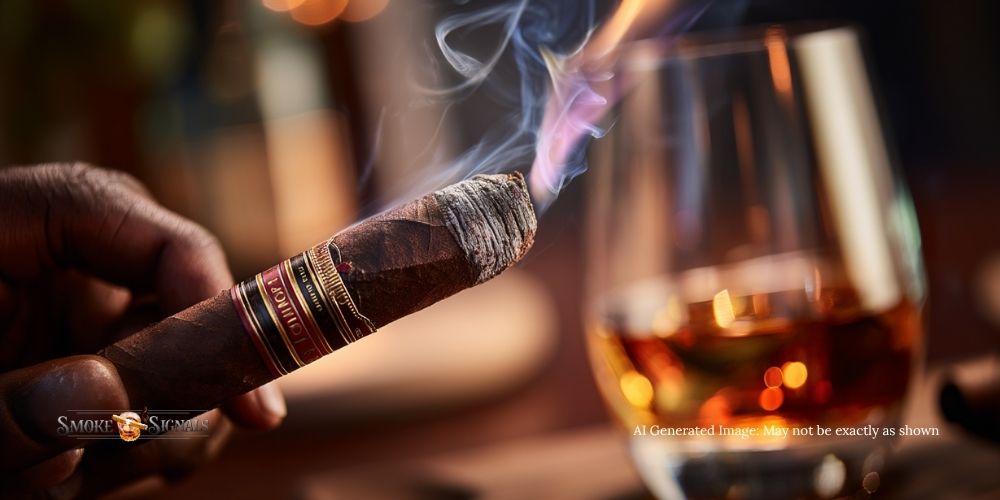
Challenges and Rarity: Why the Cameroon Wrapper Almost Vanished
The Cameroon cigar wrapper may be admired for its flavor and beauty, but behind that elegance lies constant struggle. Every harvest is a gamble — a fight against climate, politics, and economics that few growers can afford to lose.
Growing Challenges in the Heart of Africa
Unlike thicker leaves from Nicaragua or Honduras, Cameroon’s tobacco plants grow small and fragile, thriving only in narrow pockets of equatorial soil. The plants require precise humidity and shade — too much sun scorches them, too much rain rots them. Even with ideal weather, yields are low, and the leaves tear easily during harvest and curing.
Because the leaf is so thin, rolling large cigars becomes almost impossible. A slight change in pressure or moisture can ruin an entire batch. Add to that the challenges of operating in regions where infrastructure is poor, electricity is unreliable, and transportation is risky, and it’s no surprise that many growers gave up entirely.
The cost of simply getting the tobacco from the field to the factory is far higher than in most cigar-producing nations. As Rick Meerapfel once observed, “Every bale of Cameroon is a small miracle.”
Modern Rarity and the Value of Authenticity
Today, genuine Cameroon wrapper leaf remains scarce. Some cigar makers use seed grown in Ecuador or Honduras, labelling it “Cameroon” for marketing appeal — but purists know the difference. The African-grown version burns cooler, tastes sweeter, and carries a toothy texture that can’t be replicated elsewhere.
This rarity has turned the Cameroon wrapper into a mark of prestige. When you see it on a cigar band, it signals authenticity. Not just a flavor choice, but a commitment to craftsmanship. For brands like Arturo Fuente, Partagas, and La Aurora, using genuine Cameroon leaf isn’t simply about tradition. It’s about honouring a legacy that survived everything from economic collapse to civil unrest, and still came out tasting like gold.
Why It Matters — Legacy, Flavor, and the Future of the Cameroon Cigar Wrapper
The Cameroon cigar wrapper isn’t just another leaf in a blender’s toolbox. It’s a living reminder that craftsmanship and patience still matter in a world chasing shortcuts. Each harvest tells the story of growers who refused to compromise, families who risked everything, and smokers who can taste that devotion in every draw.
Cigar makers describe the wrapper as a “seasoning leaf.” It doesn’t overpower a blend but elevates it, like a final brushstroke that ties everything together. That balance of spice, sweetness, and cedar has made Cameroon a favourite among cigar lovers who want depth without harshness.
The leaf’s survival also means something bigger for the cigar world. It proves that heritage crops can endure when passion outweighs profit. And with the Meerapfel family now expanding their own high-end cigar line, and Arturo Fuente continuing to honour its legacy through the Don Carlos and Hemingway collections, the future of Cameroon tobacco looks cautiously bright.
Even so, each genuine Cameroon wrapper remains precious. Every time one is rolled, a little bit of Africa’s story is preserved inside it.
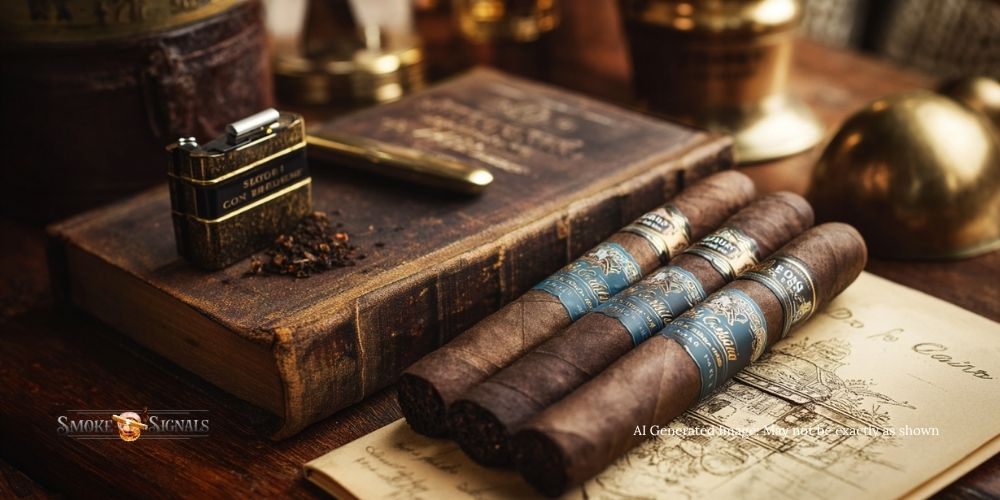
Cigar Newbie Tip
If you’re starting to explore cigars, a Cameroon-wrapped cigar is an excellent introduction to flavor balance. It offers complexity without strength, and subtle sweetness without bitterness. Try a Fuente Hemingway Short Story or La Aurora 1903 Cameroon to experience that signature mix of cedar and spice in a shorter, friendlier format. Let the wrapper do the talking—it’s the star of the show.
Final Puff
Few leaves have earned as much respect as the Cameroon cigar wrapper. From its uncertain beginnings in the African jungle to its celebrated place in humidors around the world, it remains proof that beauty often grows from struggle. Every time you light one, you’re not just tasting tobacco, you’re tasting survival, craftsmanship, and history rolled into a single draw.
Frequently Asked Questions
Still curious about this remarkable wrapper? Here are a few quick answers that cover what most smokers want to know.
What is a Cameroon cigar wrapper?
It’s a tobacco leaf grown in Cameroon, descended from Sumatran seed. Known for its thin, toothy texture and warm, spicy-sweet flavor, it’s used to wrap premium cigars from brands like Arturo Fuente and Partagas.
How is Cameroon tobacco grown?
Cameroon tobacco grows best in humid, partially shaded conditions near the equator. The natural cloud cover creates the same diffused light achieved by shade tents elsewhere, producing the wrapper’s delicate texture and mild, aromatic flavor.
What does a Cameroon wrapper taste like?
Expect notes of cedar, cinnamon, toasted nuts, and a touch of sweetness. It delivers medium intensity with a cool burn and a soft aroma—ideal for smokers who appreciate flavor over strength.
Why is the Cameroon wrapper rare?
The leaf is fragile, the yield is low, and growing conditions are unpredictable. Combined with high shipping costs and political instability, genuine Cameroon tobacco remains limited and expensive to produce.
Which cigars use an authentic Cameroon wrapper?
Top examples include Arturo Fuente Don Carlos, Fuente Hemingway, Partagas #10, and La Aurora 1903 Cameroon. Always check the label, because many brands use Cameroon seed grown elsewhere, which tastes different.
Still have questions? Drop them in the comments and join the conversation with other cigar lovers.

Bo Kauffmann is the voice behind Cigar and Whiskey Guide and Smoke Signals on Substack, where he shares expert reviews, pairings, and lifestyle insights for enthusiasts around the world. A longtime cigar lover and bourbon explorer, Bo blends storytelling with deep knowledge to help readers savor every pour and every puff.